Ibarski put 31, Nevade, 32300 G.Milanovac, Srbija
Technical preparation is the foundation of a quality label. Before the machine ever starts running, your design goes through technical analysis, color separation, proof preparation for approval, and production of the photopolymer printing plates. Every step is checked and documented.
The quality of the finished label depends directly on the quality of the input file. We need a vector format with properly defined colors, fonts converted to outlines, and a resolution sufficient for flexo reproduction. Below are the exact specifications your designer needs to follow.
If you're not sure whether your file is print ready, send it to us. Our prepress team will run a technical review and let you know if anything needs correcting before production starts.
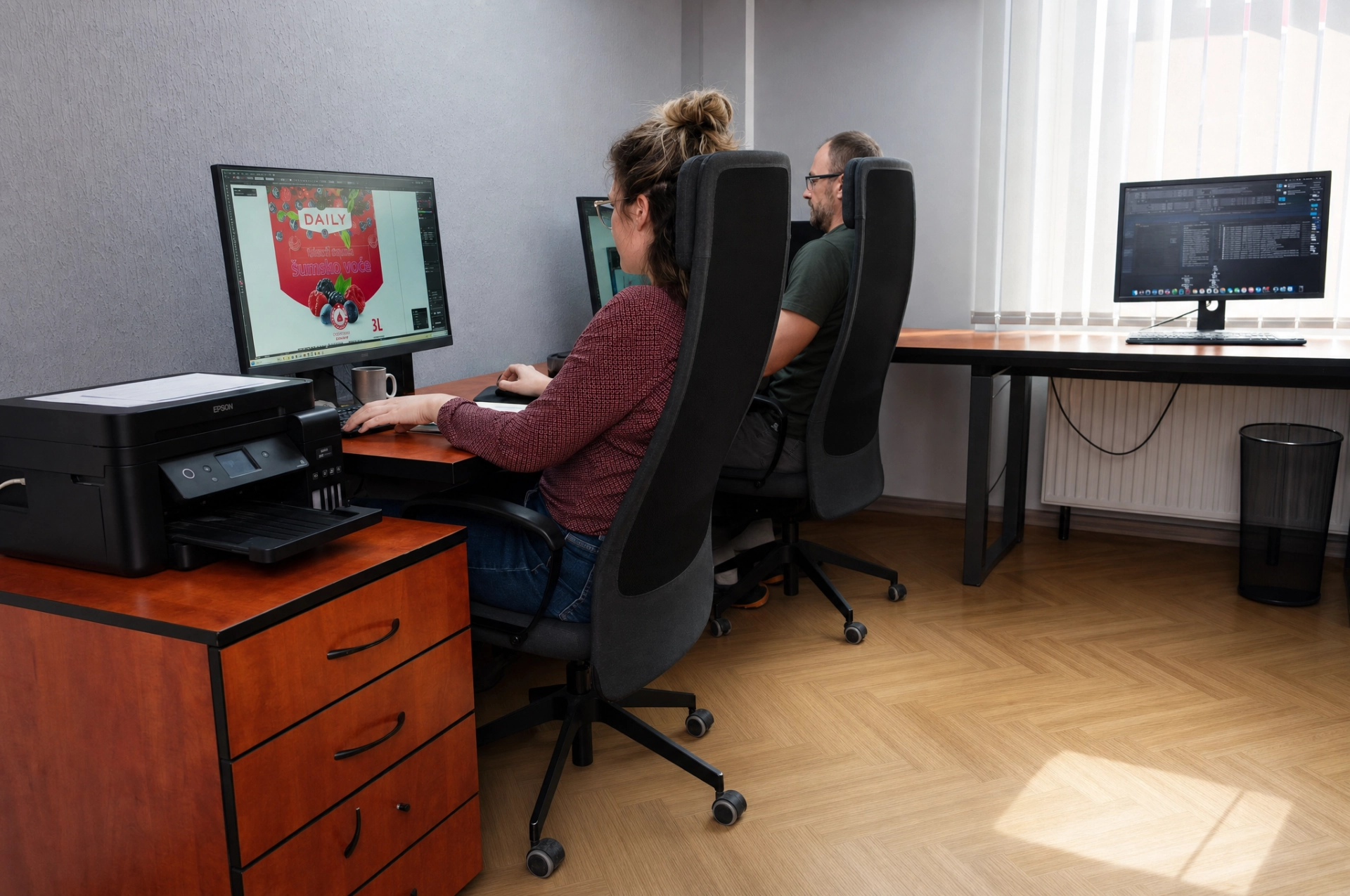
We always offer customers guidance on the specifics and capabilities of our printing. We don't do design work, but we review every file and flag potential problems early, before they reach the press. That saves time, material, and money, for you and for us.

Star Proof is a solution for producing a high-quality contract proof on inkjet printers, quickly and economically. The Actual Dot system replicates the original appearance: an accurate dot, a sharp image, precisely defined color and detail, matching how it will look coming off the press.
Your written approval of the proof is a required step before production begins. This eliminates the risk of misunderstandings about color, text, or the layout of elements.
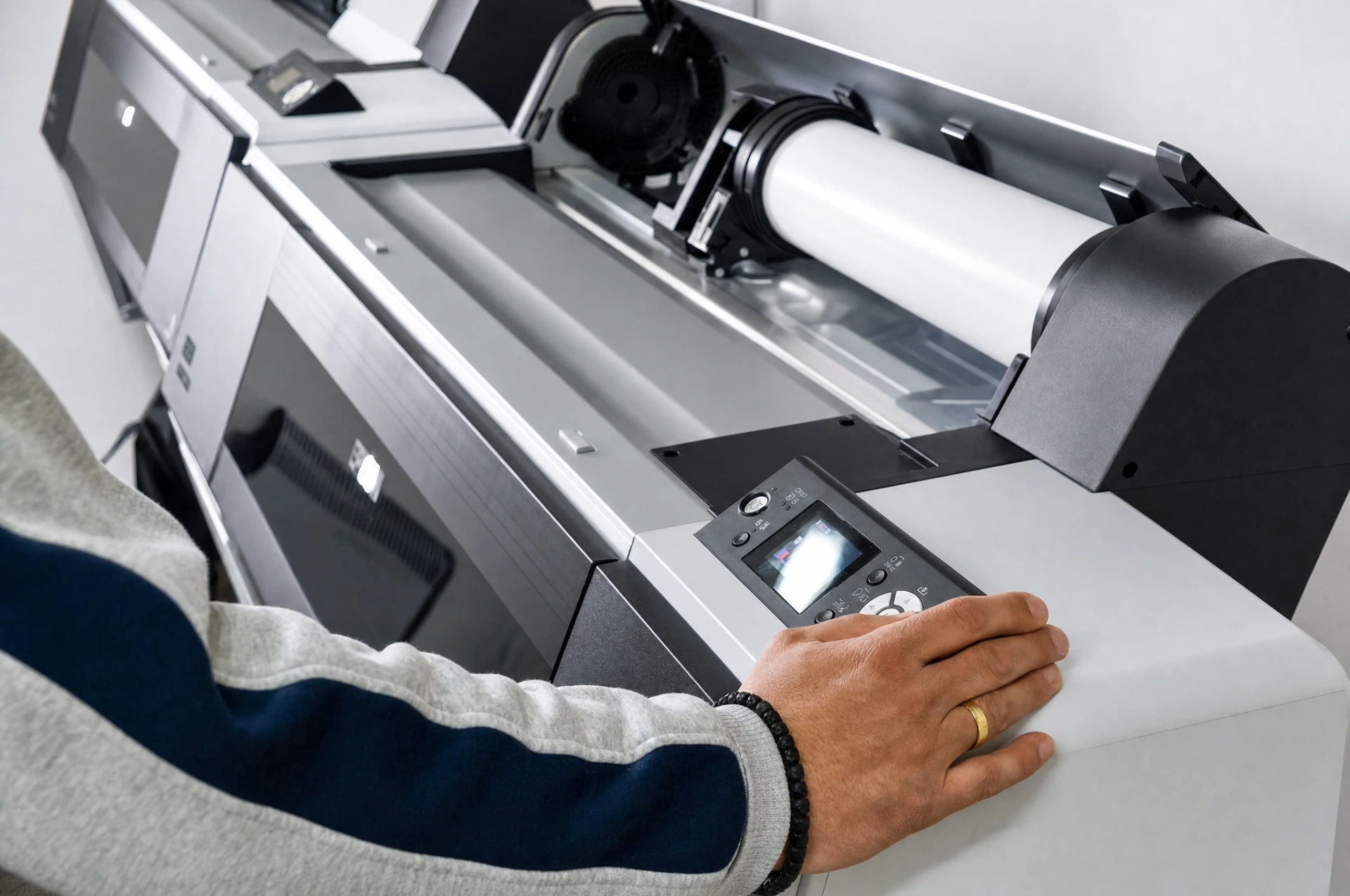
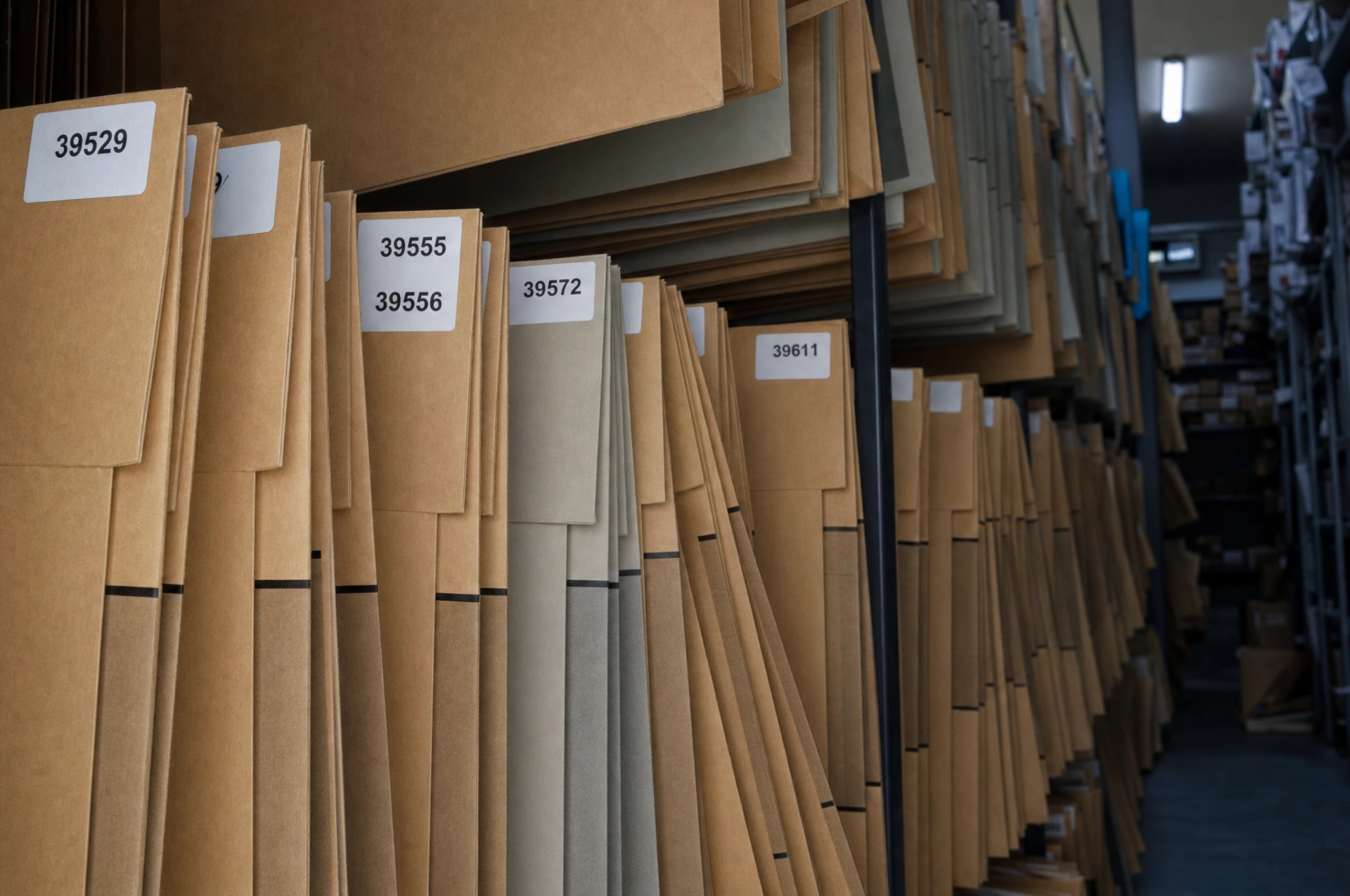
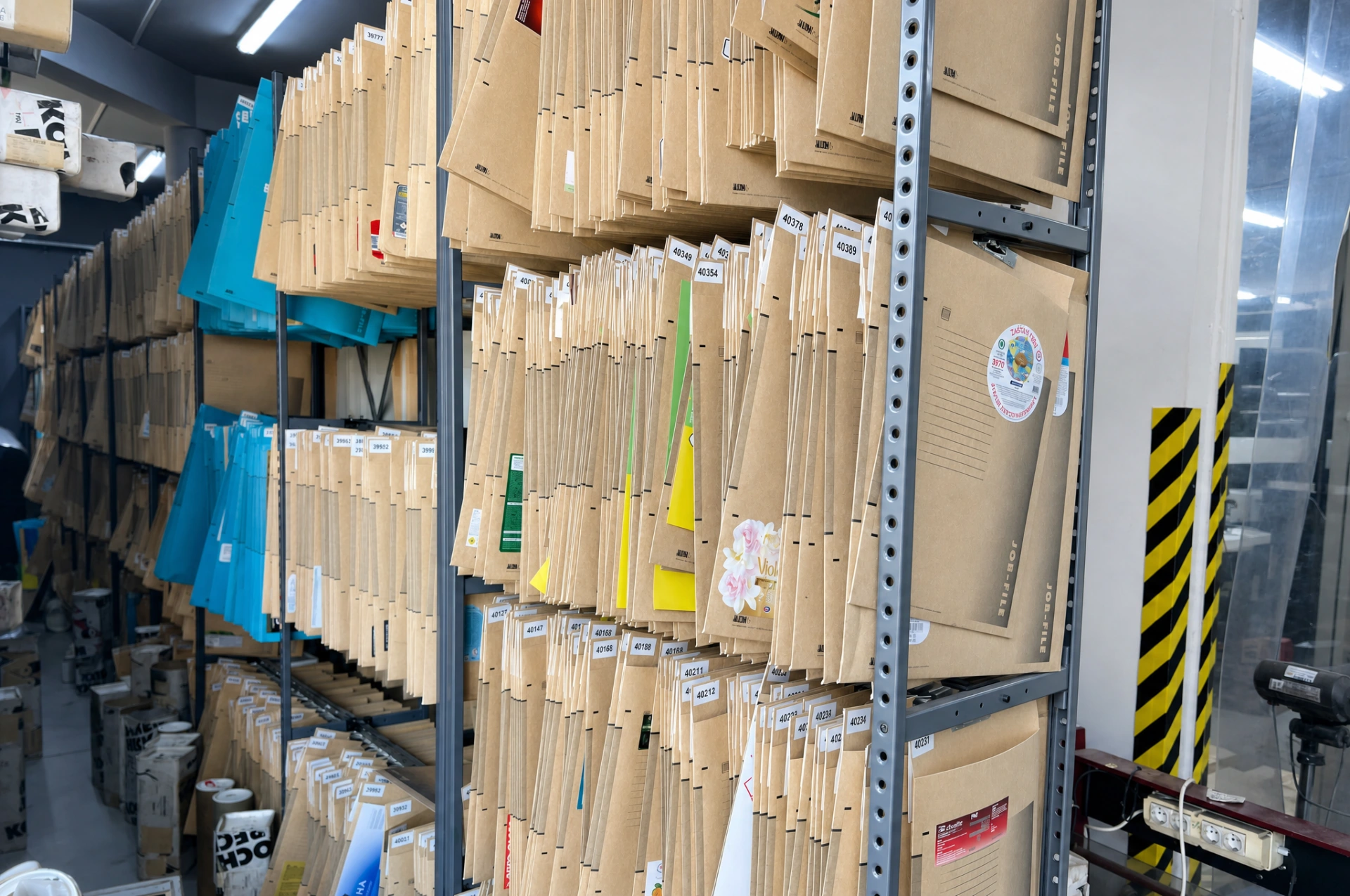
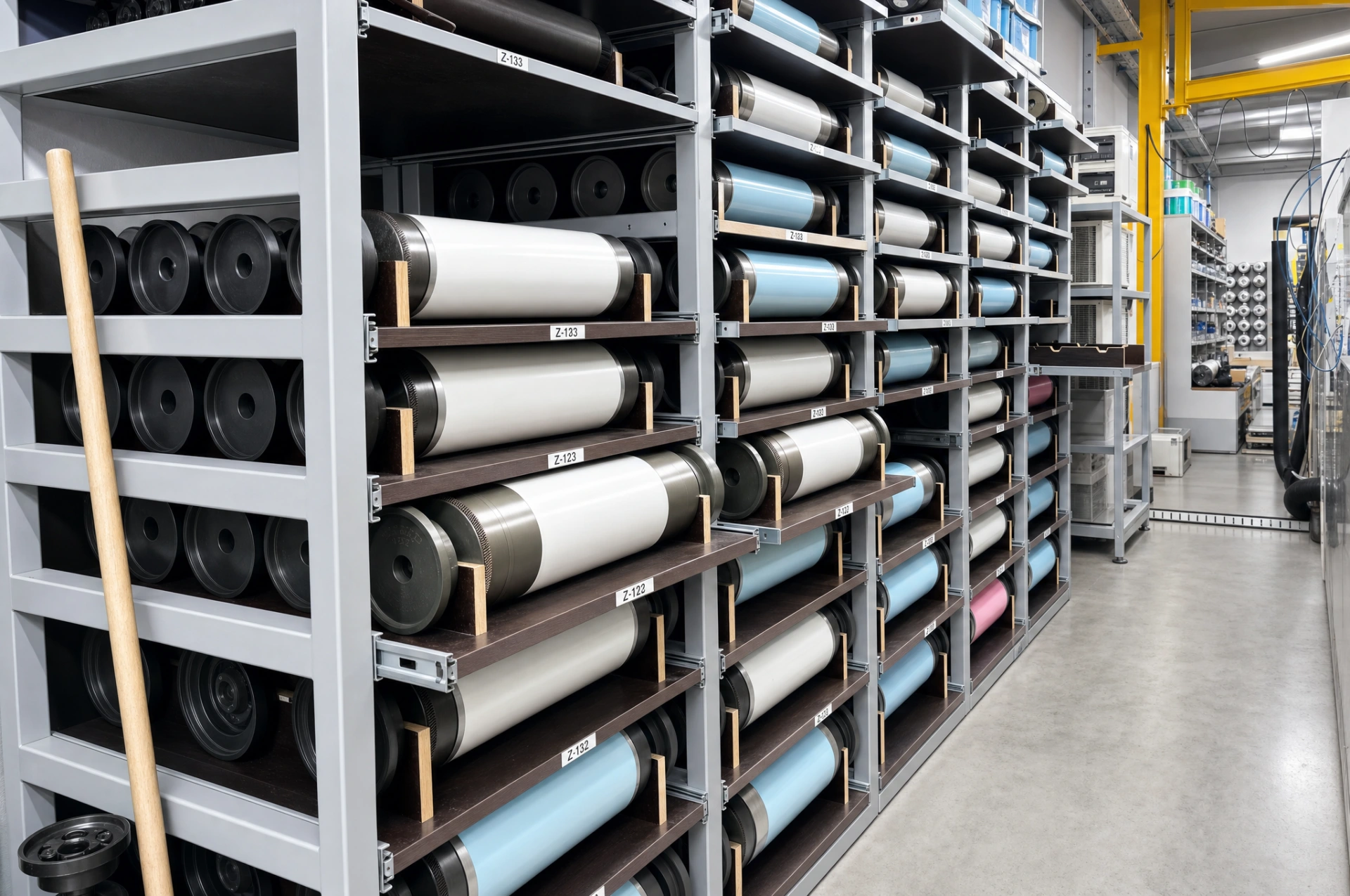
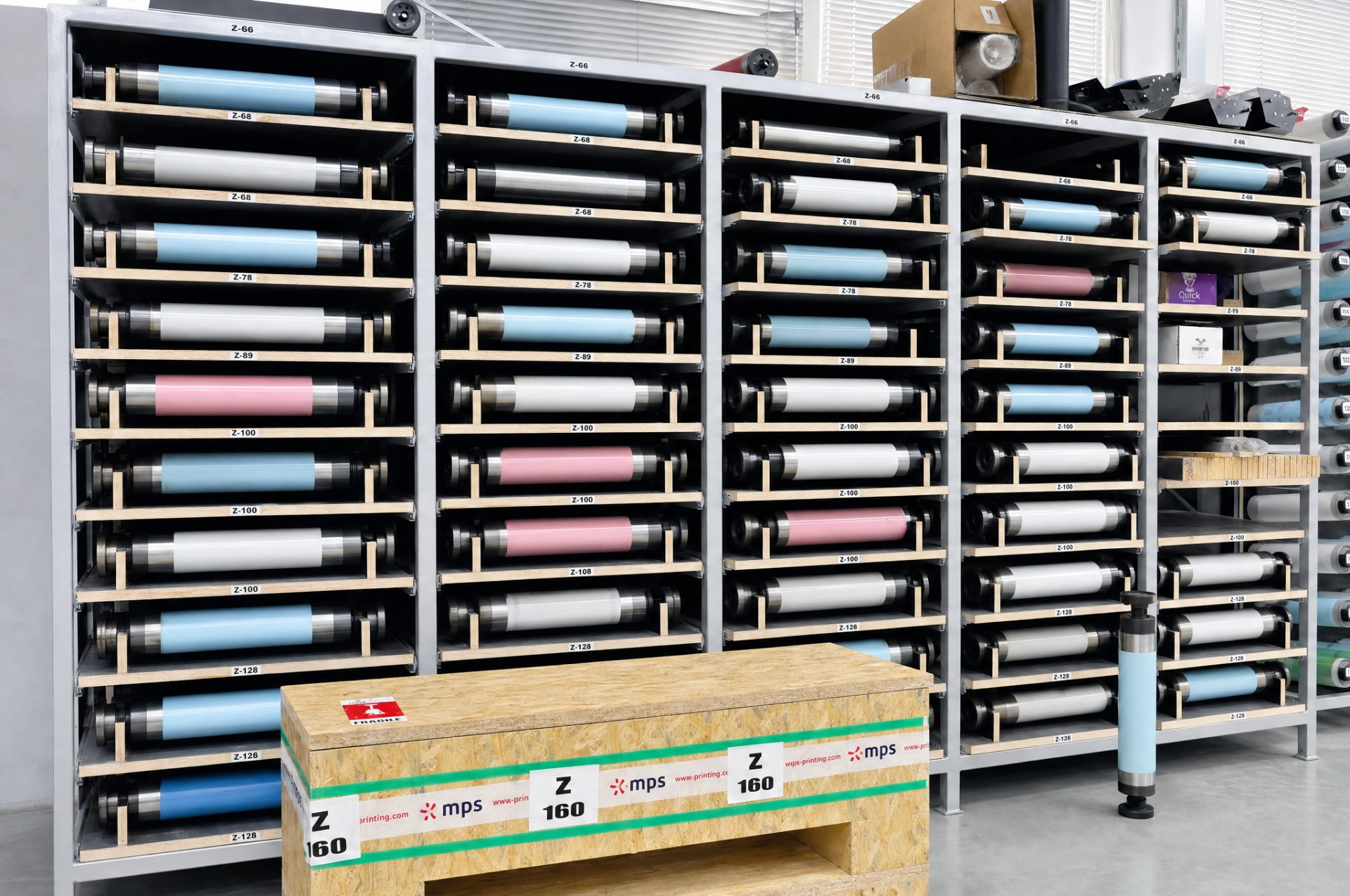
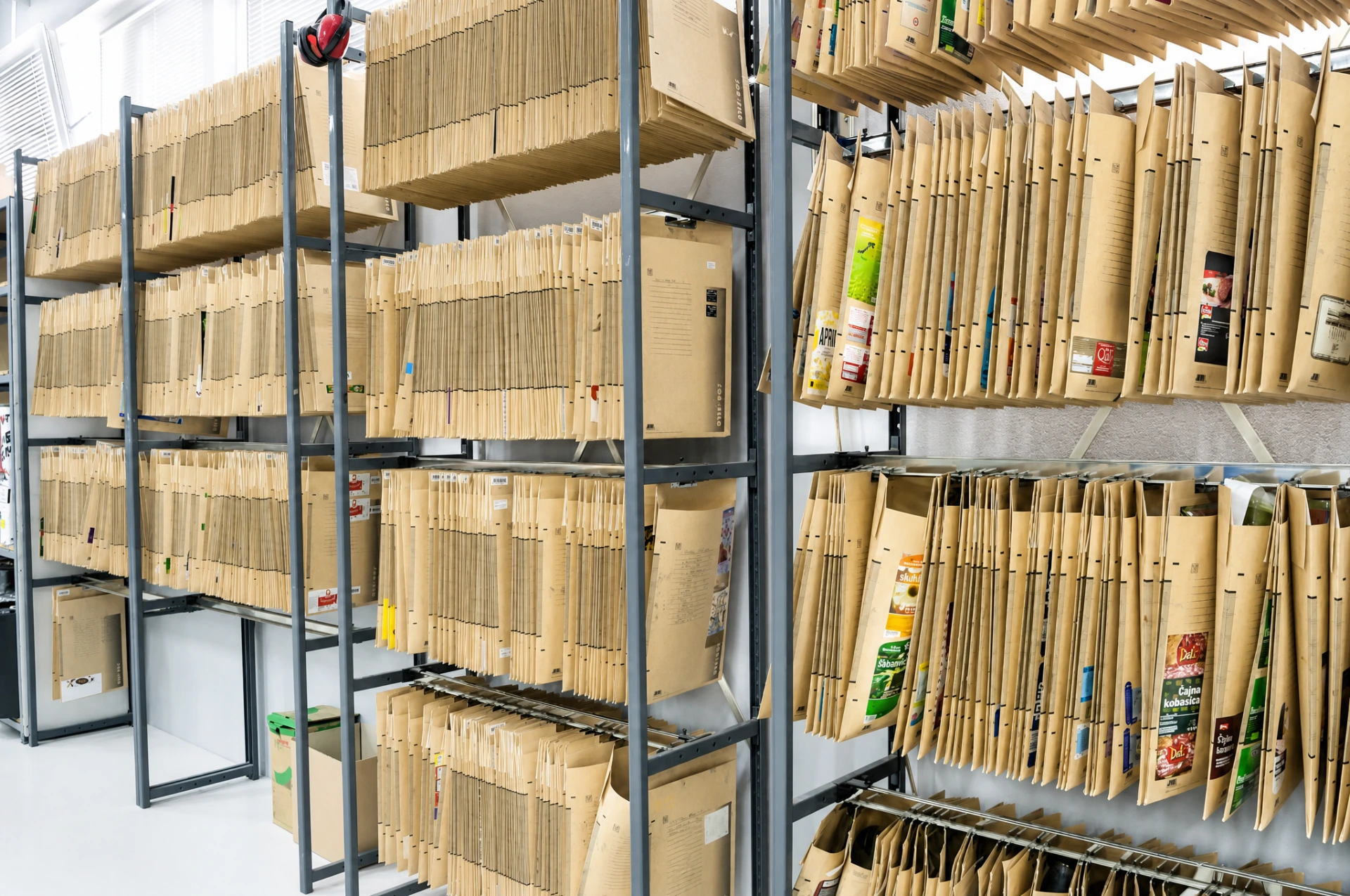
Eleven photos from the prepress sector of Stamparija RP. The top row follows the path from file to approved proof: work on preparation, the light booth for color evaluation, and the large-format printer where the proof is produced. The bottom row shows what remains after printing: an archive of work orders by job number and shelves of printing plates waiting for their next run.
Drag a row left or right, click a photo to enlarge it Swipe left or right, tap a photo to enlarge it
Practical questions our customers' designers and brand managers ask before sending a file: formats, colors, proofing, turnaround.
We accept AI (Adobe Illustrator), EPS (Encapsulated PostScript), and PDF, all in vector format. Fonts must be converted to outlines, and colors defined as Pantone spot or CMYK. If you only have a raster file (TIFF, PSD), the resolution must be a minimum of 300 dpi at the final label size. Not sure whether your file is ready? Send it as it is. We'll review it for free and let you know what needs correcting.
Technical prepress only. Your designers know your customers best and shape your products accordingly. We don't get involved in the creative process. What we do is review the file, check the separations, add trapping, prepare the proof, and check compatibility with our machines. We advise you on the specifics of flexo printing so your designer knows what to account for before finalizing the design.
Trapping is a minimal overlap between adjacent colors (0.1 to 0.15 mm) that prevents a white line from appearing where two colors meet, caused by microscopic material shifts on the press during printing. You don't need to do it yourself. If trapping hasn't been done in your file, our prepress team adds it before producing the separations. But if your designer wants to control the trapping, have them set it to 0.1 mm.
For positive text (dark letters on a light background), the minimum recommended size is 5 pt. For negative text (light letters on a dark background), the minimum is 7 pt, since ink spreads into the thin gap between the letter strokes and the text becomes illegible. Serif fonts are especially problematic at small sizes in flexo printing. We recommend sans-serif fonts for fine text on labels.
Up to 9 colors in a single pass, or 8 colors plus UV varnish. Each color requires its own separation and its own unit on the press. Example: if you use CMYK (4 process colors) plus one Pantone spot color plus UV varnish, that's 6 of the possible 9. You can use the remaining three for a white base on transparent material, a second spot color, or a special effect such as a metallic color.
Each Pantone color must be defined as a spot color with the exact code, for example Pantone 186 C for red. Don't convert Pantone to CMYK in your file. We handle that in prepress if needed, since the conversion depends on the material being printed on. If you're using a combination of CMYK and spot colors, clearly mark which are spot and which are process. The total number of colors, including any UV varnish, can't exceed 9.
The barcode must be in vector format, never as a raster image. A pixelated barcode is unreadable to a scanner. The recommended BWR (Bar Width Reduction) is a minimum of 80% for flexo reproduction, since ink on the plate spreads slightly during transfer. Without BWR, thin bars become thicker and the scanner won't recognize them. If you're not sure about BWR, leave the barcode without reduction. Our prepress team will adjust it for flexo.
Star Proof is a contract proof that shows you exactly how the label will look before we start the press. It uses the Actual Dot system, which replicates actual printing dots instead of simulating them: tonal transitions, screening, and fine lines on the proof match the final label. This isn't the same quality as an ordinary inkjet print from an office printer. Your written approval is a required step. If you notice an error, now is the time to fix it at no cost.
Yes, it's required. This protects you. If you notice a difference from the approved proof after printing, the responsibility is ours and we reprint at our expense. But if the error was in the design you approved (wrong text, color, or layout), the new print run is billed. So review the proof carefully, check every letter, every barcode, every color. Once you approve it, the press starts running.
If you send us a correct vector file with properly defined colors, technical review and separation preparation take one business day. Star Proof is produced and sent to you for approval the same day or the next. After your approval, production can start right away. For repeat orders of the same design, preparation is significantly shorter since all the settings are already saved in the ERP system.
The technical review of the file is free. We'll let you know exactly what needs correcting, and your designer can fix it at no cost on our end. If you don't have a designer who can fix the file, our prepress team can make the technical corrections, adjust the separations, add trapping, and prepare it for printing. These corrections are billed as part of the prepress service, but we always agree on them with you in advance.
Yes. All files, separations, and the complete job parameters stay saved in the ERP system. When you reorder the same design, you don't need to send the file again or go through preparation again, everything is ready for the press. That means a shorter turnaround and lower costs for repeat orders, since there's no repeat prepress work. Even if you want a small correction to an existing design, we start from the saved file, not from scratch.
Send us your file: our prepress team will review it, check its compatibility with flexo printing, and let you know if anything needs to be corrected. Free of charge, before anything goes into production.